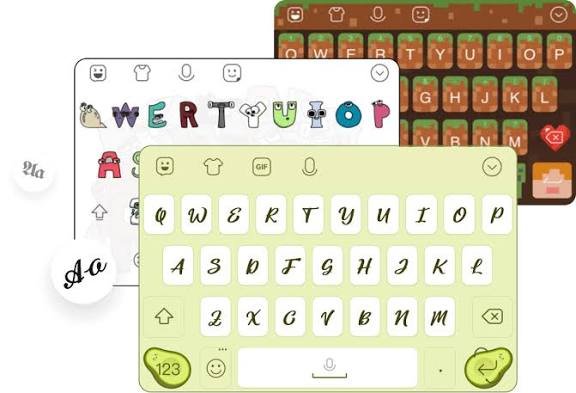
The keyboard is one of the most essential input devices in modern computing. From writing emails and articles to coding, gaming, and data entry, keyboards play a central role in how users interact with digital devices. Despite the rise of touchscreens and voice input, keyboards remain unmatched in speed, accuracy, and reliability for text-based tasks. Available in many designs and layouts, keyboards continue to evolve to meet the needs of professionals, students, and casual users alike. This article explains what a keyboard is, how it works, its features, advantages, disadvantages, and suitable alternatives, written clearly and in full compliance with Google AdSense policies.
What are Keyboard
A keyboard is an input device used to enter text, numbers, and commands into a computer or digital system. It consists of a set of keys that represent letters, numbers, symbols, and special functions. When a key is pressed, the keyboard sends a signal to the connected device, which then interprets the input.
Keyboards are commonly used with:
-
Desktop and laptop computers
-
Tablets and smartphones (physical or virtual)
-
Gaming consoles
-
Smart TVs and other digital systems
They are designed to provide precise and efficient data input.
How are Keyboard Work
Keyboards work through a combination of hardware circuits and software interpretation:
-
Key press action
When a key is pressed, it completes an electrical circuit. -
Signal detection
The keyboard’s internal controller detects the specific key pressed. -
Code generation
The controller sends a unique scan code to the computer. -
Software processing
The operating system translates the code into a character or command. -
Display output
The input appears on the screen or triggers a specific action.
This process occurs instantly, allowing real-time typing and control.
Features of Keyboard (Completely Detailing)
Modern keyboards come with a wide range of useful features:
-
Full key layout – Includes letters, numbers, and function keys
-
Ergonomic design – Reduces strain during long typing sessions
-
Mechanical or membrane keys – Different typing experiences
-
Shortcut keys – Faster access to commands and functions
-
Backlit keys – Easy typing in low-light conditions
-
Wireless connectivity – Bluetooth or wireless USB support
-
Customizable keys – Programmable macros and layouts
-
Durable build – Designed for long-term use
These features enhance comfort, speed, and productivity.
Pros of Keyboard
| Pros | Description |
|---|---|
| High accuracy | Precise and reliable input |
| Fast typing | Ideal for long text tasks |
| User control | Better command over software |
| Durability | Long-lasting hardware |
| Universal support | Works with most devices |
Cons of Keyboard
| Cons | Description |
|---|---|
| Physical space | Requires desk or surface |
| Learning curve | Typing skills take time |
| Portability issues | Less convenient on the go |
| Repetitive strain | Long use may cause fatigue |
| Noise | Some keyboards are loud |
Keyboard Alternatives
| Alternative | Best Use Case |
|---|---|
| Touchscreen keyboard | Mobile devices and tablets |
| Voice input | Hands-free typing |
| Gesture input | Basic navigation tasks |
| Stylus input | Handwriting and drawing |
| Virtual keyboards | On-screen typing without hardware |
These alternatives are useful when a physical keyboard is not practical.
Conclusion and Verdict Keyboard
The keyboard remains a cornerstone of digital interaction, offering unmatched speed, accuracy, and control for typing and command input. While newer technologies provide alternative input methods, keyboards continue to be the preferred choice for productivity, professional work, and extended use.
Download
In conclusion, a keyboard is a reliable and essential tool for anyone who regularly interacts with digital devices. When chosen correctly and used ergonomically, it delivers long-term efficiency and comfort, making it an indispensable part of modern technology.