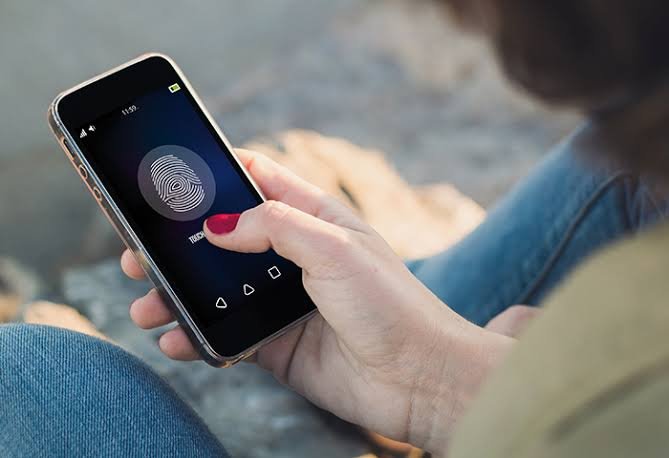
In the modern digital era, fingerprint technology has become one of the most trusted and widely used methods for identity verification. From unlocking smartphones and laptops to securing banking apps and office systems, fingerprint authentication offers a fast and convenient way to protect personal data. Unlike passwords or PINs, fingerprints are unique to every individual, making them difficult to copy or forget. As security needs continue to grow, fingerprint technology plays a crucial role in ensuring privacy and safe access. This article explains fingerprints in detail, how fingerprint systems work, their features, advantages, disadvantages, and reliable alternatives, all written in compliance with Google AdSense policies.
What are Fingerprint
A fingerprint is the unique pattern of ridges and valleys found on the surface of a human fingertip. No two individuals share the same fingerprint pattern, even identical twins. In technology, fingerprints are used as a biometric identifier to verify or confirm a person’s identity.
Fingerprint authentication is commonly used in:
-
Smartphones and tablets
-
Laptops and computers
-
Banking and payment apps
-
Attendance and access control systems
Because fingerprints are natural and permanent, they are considered a reliable form of biometric security.
How are Fingerprint Work
Fingerprint systems operate through a simple but secure process:
-
Fingerprint scanning
A fingerprint sensor captures the image or pattern of a finger. -
Feature extraction
The system analyzes key points such as ridges, curves, and endings. -
Template creation
The extracted data is converted into a digital template and securely stored. -
Verification process
When a user places their finger again, the new scan is compared with the stored template. -
Access decision
If the patterns match, access is granted; if not, it is denied.
This process happens within seconds and ensures accurate identity verification.
Features of Fingerprint (Completely Detailing)
Fingerprint technology includes several advanced and user-friendly features:
-
High accuracy – Unique patterns reduce false matches
-
Fast authentication – Unlocks devices in seconds
-
Enhanced security – Harder to duplicate than passwords
-
User convenience – No need to remember PINs or passwords
-
Compact sensors – Easily integrated into devices
-
Offline functionality – Works without internet access
-
Encrypted storage – Fingerprint data is stored securely
-
Multi-application use – Supports apps, devices, and systems
These features make fingerprint authentication both secure and easy to use.
Pros of Fingerprint
| Pros | Description |
|---|---|
| Strong security | Unique to each individual |
| Quick access | Instant unlocking |
| Easy to use | No memorization needed |
| Cost-effective | Affordable sensor technology |
| Widely accepted | Used across many devices |
Cons of Fingerprint
| Cons | Description |
|---|---|
| Sensor damage | Scratches may reduce accuracy |
| Hygiene concerns | Shared scanners may collect germs |
| False rejection | Wet or dirty fingers may fail |
| Data risk | Breach could compromise biometric data |
| Limited flexibility | Injured fingers may not work |
Fingerprint Alternatives
| Alternative | Best Use Case |
|---|---|
| PIN or password | Simple and traditional security |
| Face recognition | Hands-free authentication |
| Pattern lock | Visual and quick access |
| Iris scan | High-security environments |
| Smart cards | Physical access control |
These alternatives provide flexibility when fingerprint authentication is unavailable.
Conclusion and Verdict Fingerprint
Fingerprint technology has proven to be a reliable, fast, and secure method of authentication in the digital world. Its uniqueness, ease of use, and widespread adoption make it an excellent choice for personal and professional security. While there are some limitations, such as sensor sensitivity and data protection concerns, modern encryption methods help minimize risks.
Download
Overall, fingerprint authentication offers a strong balance between convenience and security. When combined with proper data protection measures or additional verification methods, it remains one of the most effective biometric solutions available today.