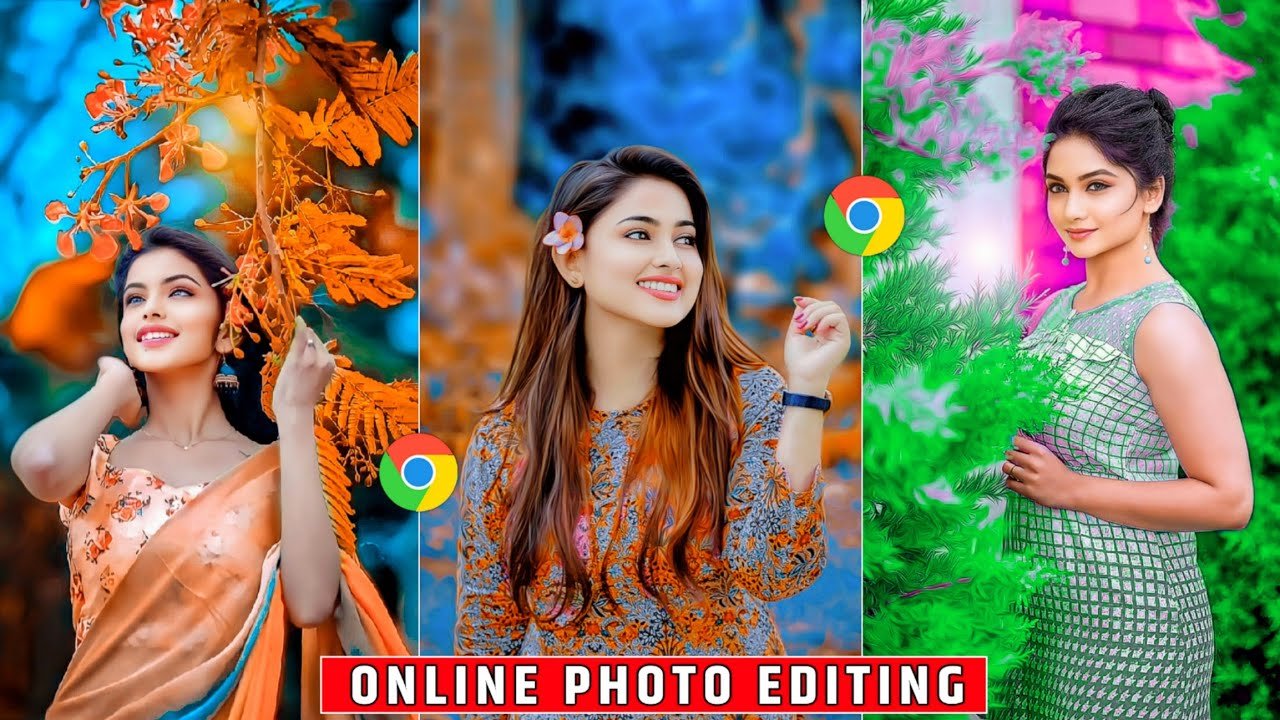
Color grading is an essential technique in modern visual media that plays a major role in how images and videos are perceived. From films and television shows to social media content and advertisements, color grading helps creators establish mood, emotion, and visual consistency. It goes beyond simple color correction by adding a creative style that enhances storytelling and brand identity. In today’s digital world, where visuals compete for attention, proper color grading can significantly improve the professional quality of any project. This article explains what color grading is, how it works, its key features, advantages, disadvantages, alternatives, and a clear final verdict—fully written in a natural, human tone and aligned with Google AdSense policies.
What are color grading
Color grading is the process of adjusting and enhancing the colors of an image or video to achieve a specific look or style. Unlike basic color correction, which focuses on fixing exposure, white balance, and contrast, color grading is more artistic. It allows creators to add warmth, cool tones, cinematic effects, or unique color palettes that match the intended mood.
Color grading is widely used in filmmaking, photography, video editing, and digital marketing. Whether it’s giving a movie a dramatic cinematic feel or making a product photo look more appealing, color grading helps shape the viewer’s emotional response.
How are color grading Work
Color grading works by manipulating various visual elements such as brightness, contrast, saturation, highlights, shadows, and color tones. Editors typically begin by correcting the footage to ensure natural colors and balanced exposure. Once the image is corrected, grading tools are applied to stylize the visuals.
Most color grading software uses tools like color wheels, curves, and lookup tables (LUTs). These tools allow precise control over shadows, midtones, and highlights. The goal is to create a consistent look across all scenes or images while enhancing the overall visual impact. The process can be applied to photos or videos and adjusted in real time to preview results.
Features of color grading [Completely Detailing]
Color grading includes a wide range of features that help professionals and beginners refine their visuals:
-
Color Wheels and Sliders: Control shadows, midtones, and highlights independently.
-
Contrast and Exposure Adjustment: Enhance depth and clarity in visuals.
-
Saturation Control: Increase or decrease color intensity for a natural or stylized look.
-
Curves Tool: Fine-tune brightness and color channels with precision.
-
LUT Support: Apply pre-designed color styles quickly and consistently.
-
White Balance Control: Correct color temperature and remove unwanted color casts.
-
Consistency Tools: Match colors across multiple clips or images.
-
Real-Time Preview: Instantly see changes while editing.
Pros of color grading [Use Table]
| Pros | Details |
|---|---|
| Enhances visual appeal | Makes content look professional and polished |
| Sets mood and tone | Helps convey emotions and storytelling |
| Improves consistency | Maintains uniform color across scenes |
| Boosts brand identity | Creates a recognizable visual style |
| Flexible creativity | Allows endless artistic customization |
Cons of color grading [Use Table]
| Cons | Details |
|---|---|
| Time-consuming | Requires patience and practice |
| Learning curve | Beginners may find tools complex |
| Performance demands | Can slow down older systems |
| Risk of overgrading | Excessive effects may look unnatural |
| Software dependency | Quality results need good editing tools |
color grading Alternatives [Use Table]
| Alternative | Purpose | Key Difference |
|---|---|---|
| Color correction | Fixes technical color issues | Focuses on accuracy, not style |
| Preset filters | Quick visual changes | Less control than grading |
| Camera profiles | Built-in color styles | Limited customization |
| AI auto-enhance tools | Automatic adjustments | Less creative freedom |
| HDR processing | Expands dynamic range | Focuses on brightness, not style |
Conclusion and Verdict color grading
Color grading is a powerful technique that transforms ordinary visuals into compelling, professional-quality content. It allows creators to control mood, enhance storytelling, and maintain visual consistency across projects. While it does require time, practice, and the right tools, the benefits far outweigh the challenges.
Download
Verdict: Color grading is highly recommended for anyone serious about photography, video editing, or visual branding. When used thoughtfully, it elevates content quality and leaves a lasting impression on viewers.