In today’s fast-paced digital world, saving time and improving productivity have become more important than ever. One simple yet powerful way to achieve this is by using shortcuts. Shortcuts are widely used in computers, smartphones, and software applications to perform tasks quickly without going through long steps.
What Are Shortcut
A shortcut is a quick method to perform a specific action using a combination of keys, icons, or gestures. Instead of navigating through menus or repeating multiple steps, shortcuts allow users to complete tasks instantly. Shortcuts are commonly used in operating systems like Windows, macOS, Android, and iOS, as well as in software such as browsers, editing tools, and office applications.
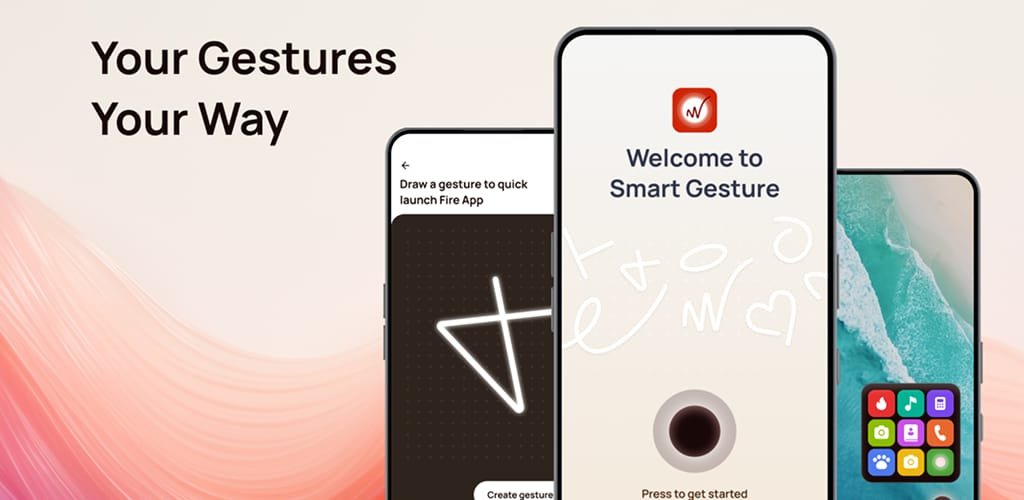
Shortcuts can be keyboard-based (like Ctrl + C for copy), icon-based (desktop shortcuts), or gesture-based (swipe actions on mobile devices). Their main purpose is to make daily tasks faster and easier.
How Are Shortcut Work
Shortcuts work by linking a specific command to a predefined action. When a user presses a key combination, clicks an icon, or performs a gesture, the system instantly recognizes the command and executes the assigned function.
For example, when you press Ctrl + S, the system understands it as a command to save a file. Similarly, a desktop shortcut is linked to a file or application path, allowing it to open with a single click. On smartphones, automation shortcuts can run multiple actions together, such as turning on Wi-Fi, opening an app, and sending a message.
Features of Shortcut
Shortcuts come with several useful features that enhance productivity and user experience:
-
Time Saving: Reduces the number of steps required to complete tasks.
-
Easy Access: Frequently used actions can be performed instantly.
-
Customizable Options: Many systems allow users to create or modify shortcuts.
-
Improved Workflow: Helps professionals work more efficiently.
-
Cross-Platform Support: Available on computers, tablets, and smartphones.
-
Automation Capability: Advanced shortcuts can perform multiple actions at once.
-
Beginner-Friendly: Easy to learn and use with practice.
Pros of Shortcut
| Pros | Details |
|---|---|
| Faster Task Execution | Saves time on repetitive actions |
| Increased Productivity | Helps users work more efficiently |
| Easy to Use | Simple key combinations or clicks |
| Customization | Users can create personal shortcuts |
| Wide Compatibility | Works across many devices and apps |
Cons of Shortcut
| Cons | Details |
|---|---|
| Learning Curve | Requires time to memorize shortcuts |
| Accidental Actions | Wrong keys may trigger unintended tasks |
| Limited Awareness | Many users do not know available shortcuts |
| Device-Specific | Some shortcuts differ across platforms |
Shortcut Alternatives
| Alternative | Description |
|---|---|
| Voice Commands | Use voice assistants to perform tasks |
| Automation Apps | Tools that automate workflows |
| Menu Navigation | Traditional step-by-step actions |
| Touch Controls | On-screen buttons and gestures |
Conclusion and Verdict Shortcut
Shortcuts are a simple yet highly effective way to improve efficiency in daily digital tasks. They save time, reduce effort, and make technology more user-friendly. While there may be a small learning curve at the beginning, the long-term benefits are significant.
Download
Final Verdict: Shortcuts are highly recommended for anyone who wants to work smarter and faster. With regular use, they can greatly enhance productivity and overall user experience.