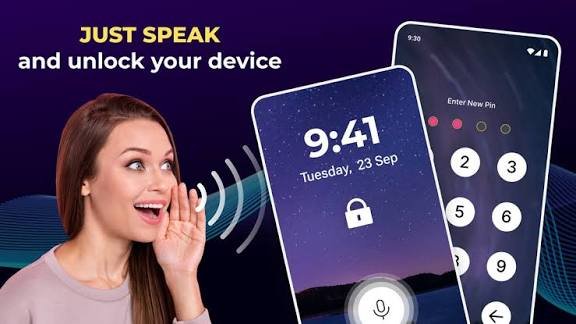
Voice technology has become an essential part of modern digital communication. From making phone calls and sending voice messages to using voice assistants and smart devices, voice plays a key role in how humans interact with technology. It allows people to communicate naturally without typing or touching a screen, making digital experiences faster and more accessible. With advancements in artificial intelligence and speech recognition, voice-based systems are now more accurate, secure, and user-friendly than ever before.
What are Voice
Voice refers to the sound produced by humans through the vibration of vocal cords, which is used for communication. In technology, voice usually means spoken input or audio output that allows users to interact with devices, applications, or other people.
Examples of voice usage include:
-
Phone and internet calls
-
Voice messages in apps
-
Voice search and voice commands
-
Virtual assistants like voice-controlled systems
Voice communication is one of the most natural and efficient ways for humans to share information.
How are Voice Work
Voice technology works through a combination of audio input, processing, and output:
-
Voice input capture
A microphone captures sound waves produced by the human voice. -
Signal conversion
The sound waves are converted into digital signals by the device. -
Processing and recognition
Speech recognition systems analyze the audio to identify words, tone, and intent. -
Action or response
The system performs a task (search, command, message) or responds with audio output. -
Feedback to user
The response is delivered through speakers or text, depending on the system.
This process enables real-time voice communication and interaction with smart technology.
Features of Voice (Completely Detailing)
Voice technology offers a wide range of powerful features:
-
Hands-free operation – Allows interaction without typing or touching
-
Real-time communication – Instant delivery of spoken messages
-
Speech recognition – Converts voice into text accurately
-
Voice commands – Control apps, devices, and systems using speech
-
Multilingual support – Works in multiple languages and accents
-
Accessibility support – Helps users with visual or physical limitations
-
Natural interaction – Feels more human compared to text input
-
Integration with smart devices – Works with phones, cars, and home systems
These features make voice technology practical and inclusive for everyday use.
Pros of Voice
| Pros | Description |
|---|---|
| Fast communication | Speaking is quicker than typing |
| Hands-free usage | Ideal while driving or multitasking |
| User-friendly | Easy for all age groups |
| Accessibility | Supports people with disabilities |
| Natural interaction | Feels more human and intuitive |
Cons of Voice
| Cons | Description |
|---|---|
| Background noise | Can reduce accuracy |
| Privacy concerns | Voice data may be sensitive |
| Accent limitations | Some systems struggle with accents |
| Public use issues | Not always suitable in quiet places |
| Internet dependency | Advanced features require connectivity |
Voice Alternatives
| Alternative | Best Use Case |
|---|---|
| Text input | Quiet environments |
| Touch controls | Simple and quick actions |
| Keyboard typing | Detailed communication |
| Gesture controls | Hands-free but silent interaction |
| Visual interfaces | For complex tasks and settings |
These alternatives are useful when voice interaction is not practical or preferred.
Conclusion and Verdict Voice
Voice technology has transformed the way people communicate and interact with digital devices. Its natural, fast, and hands-free approach makes it ideal for modern lifestyles, especially with the rise of smart assistants and connected devices. While there are some challenges related to privacy and accuracy, ongoing improvements continue to make voice systems more reliable.
Download
Overall, voice remains a powerful and convenient communication method. When used appropriately and supported by strong privacy controls, it offers significant benefits and will continue to play a major role in future technology.